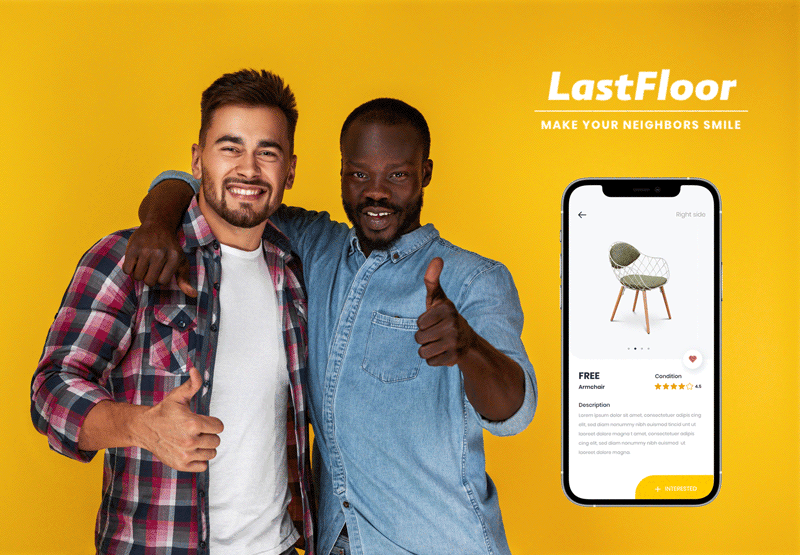
LASTFLOOR
Connecting neighbors needs through an ecological experience.
LastFloor is a platform that connects neighbors living in the same building who want to give away used things or receive them. Giving away things you don’t want anymore to your neighbors is a great way to connect, getting help to move heavy stuff for free and make happy someone living next to you.
WHO OWNS THIS PROBLEM?
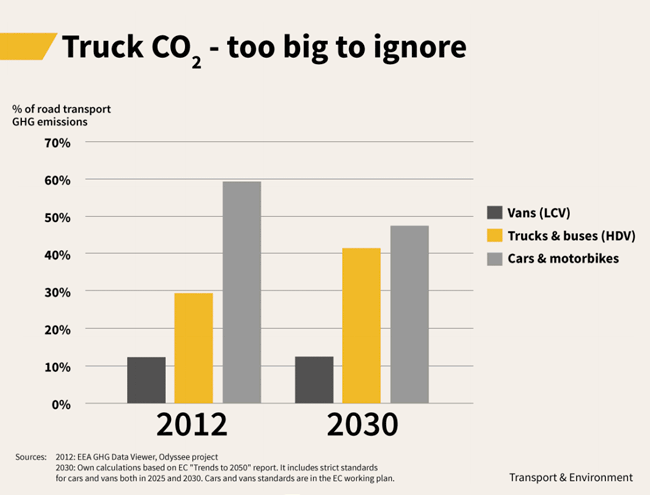
With all the packing, travelling and storing it’s unsurprising that moving home has a substantial impact on the environment. And this number gets bigger when we think about single new brand items that people usually buy and bring home. For example a bed bought new brand in store needs a van or truck for transportation. Emissions from trucks increased by 36% between 1990 and 2010 and continue to grow, which represent around 30% of all road transport CO2 emissions and 5% of all EU CO2 emissions. Unless additional measures are taken this emissions will increase to 40% of road transport emissions in the next ten years. Since it reduces carbon footprint, this development is suitable for goverment purposes to help big cities with CO2 impact.
My Role: Researching user problems and needs, designing low and high fidelity wireframes. Creating pitch presentation.
RESEARCH
I have analized hundreds of ads where people give away things they no longer want to strangers who live in the same city.
Some annotations:
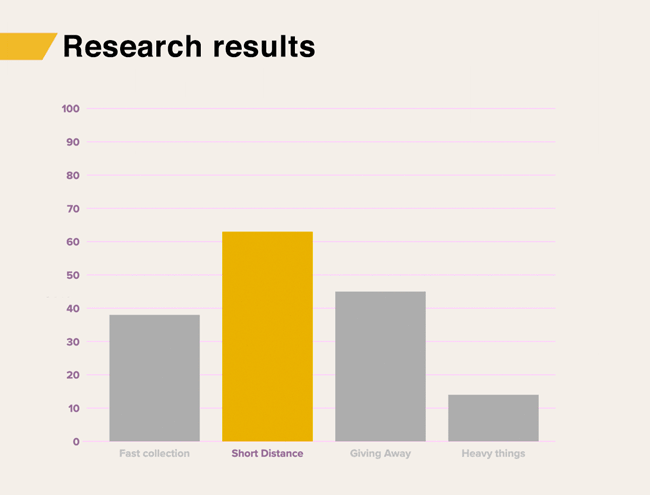
For 63% of people distance was important since the cost of the object is similar to the transport fees, there is no point in going to pick it up.
Just 45% of ads where people of giving away, the other 55% was from people looking to receive things
38% of people needed that the item was taken quickly
14% of people mentioned they need help to move the item.
I was looking for normal behaviors on my analisys so at the begining I didn't know what I was gonna find. I printed a lot of ads (I mean a lot!) and highlighted words. After it I was able to think on classifications to measure those behaviors.
Not too long ago consumers would go out and purchase something because they wanted/needed the item and liked it. But nowadays consumers also know that usefulness can fade, and the pleasure that came from new purchases can be fleeting. Apart from the usual solution to this problem, which is to buy more new items, it’s worth thinking that getting rid of items that are no longer needed or wanted can feel as good as getting it.
MY FOCUS WAS
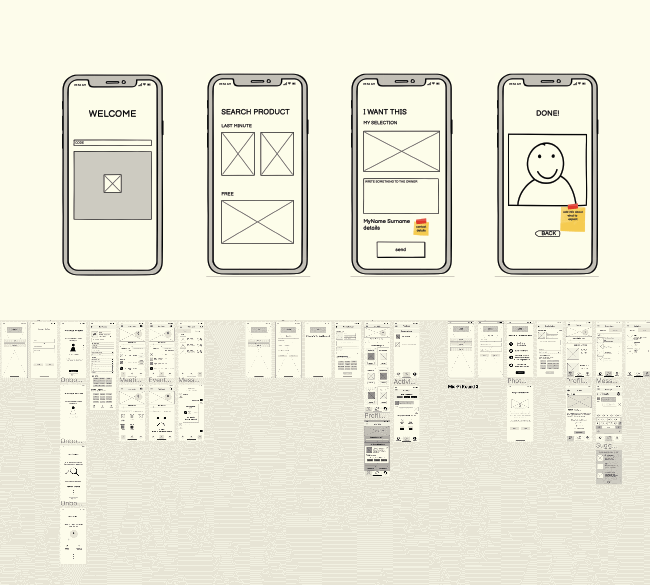
I used Balsamiq for this wireframe
HIGH QUALITY WIREFRAMES
After many iterations, here I is the final result.
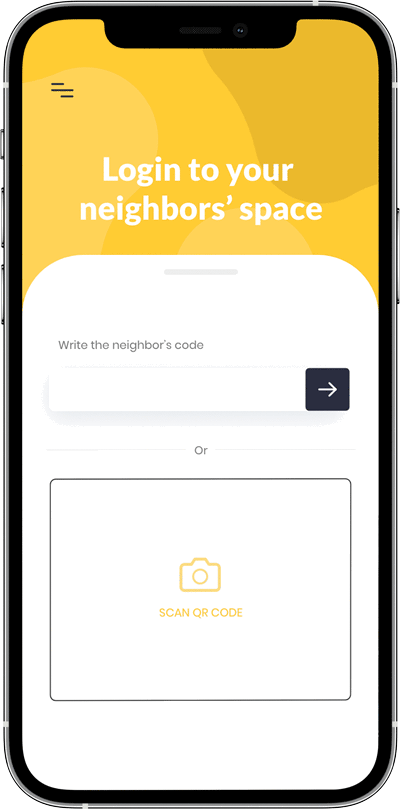
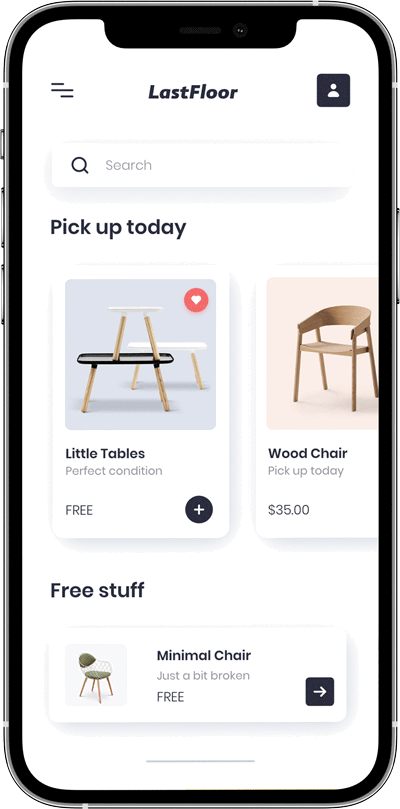
I used Adobe XD for these wireframes
The first screen allows the user to enter into the neighbors' space by introducing its code or scanning a QR code. A QR code would generate more adhesion since it can be displayed anywhere in the building, like in the elevator or notice board. The second screen includes in the viewport the last minute section and a special section for free stuff in order to highlight them in between paid items.
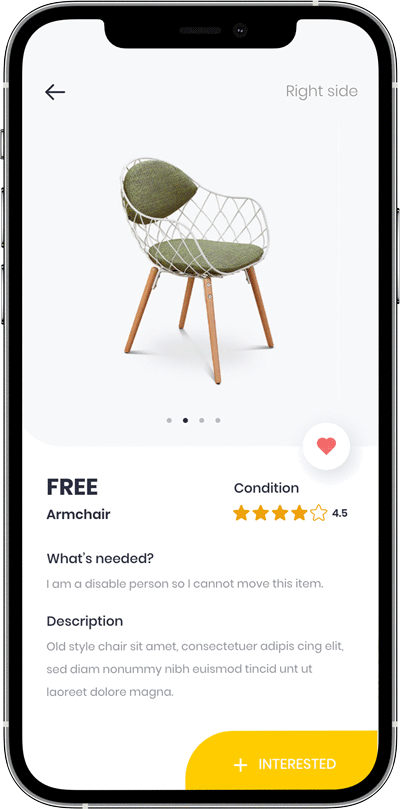
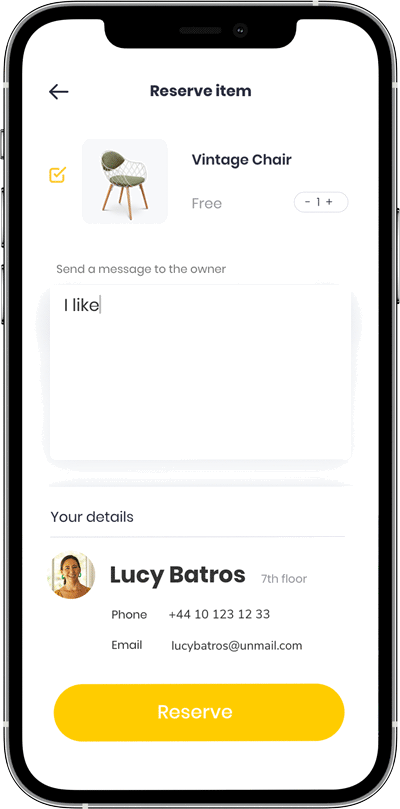
When user select the item would have access to all its information provided by the owner.The owner will be able to express if he needs any help regarding to the item. After hiting the Interested button, he will be also able to send a message to the owner. Both layouts are made to facilitate conversation between them.
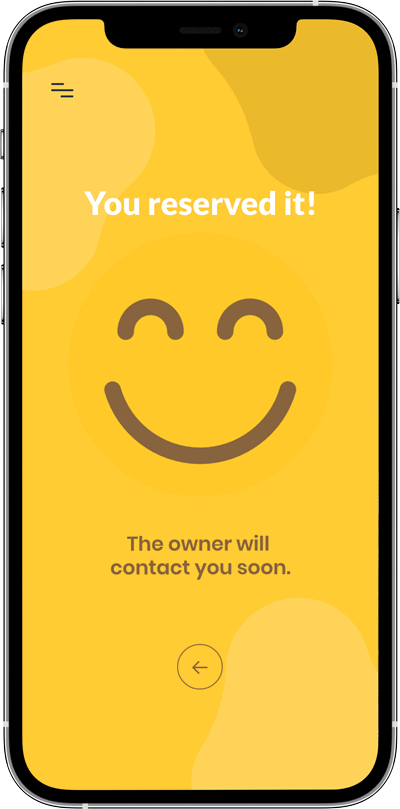

The confirmation message is a smiley face and owners can collect them in their profile. I realised the best part of gifting things is knowing you draw a smile in someone's face. Thats some sort of prize and collecting smiles in your profile is a way to measure this selfless actions.
The confirmation message is a smiley face and owners can collect them in their profile. I realised the best part of gifting things is knowing you draw a smile in someone's face. Thats some sort of prize and collecting smiles in your profile is a way to measure this selfless actions.
VISION
Imagine cleaning out your basement or furnishing your offices. All at no charge and with the real sense that someone is benefitting by either getting rid of things they don’t need or getting things they do. This sense of purpose gives consumers a fresh view on the way they spend and it may cause some consumers to think getting an item that isn’t new might be better in the long run not only for themselves financially but for the environment and if the growth trend continues it may very well affect the way consumers make their purchases. Imagine that you get all these things from a neighbor. Or imagine that a neighbor comes to help you to move that heavy bed downstairs. This is possible: imagine moving in an unfurnished apartment next week and you can connect before with your neighbors to get stuff to decorate and furnish when you get to your new home, saving time and money. Nowadays many people want to become more “eco-friendly”, everyone cares about the environment and they want to do their part.
I wanted to push my boundaries by creating an speech to sell this idea. I love Mike Monteiros presentation "13 mistakes designers make during client presentation". His talk revolved around the myth that good design sells itself and he stated that a good designer who can sell work is more valuable than a great designer who can’t.